Skip to content

Training & certification

Build capability.Demonstrate competence.Apply it at work.

Lean Six Sigma training, certification, and coaching for people who want to lead and sustain business improvement.
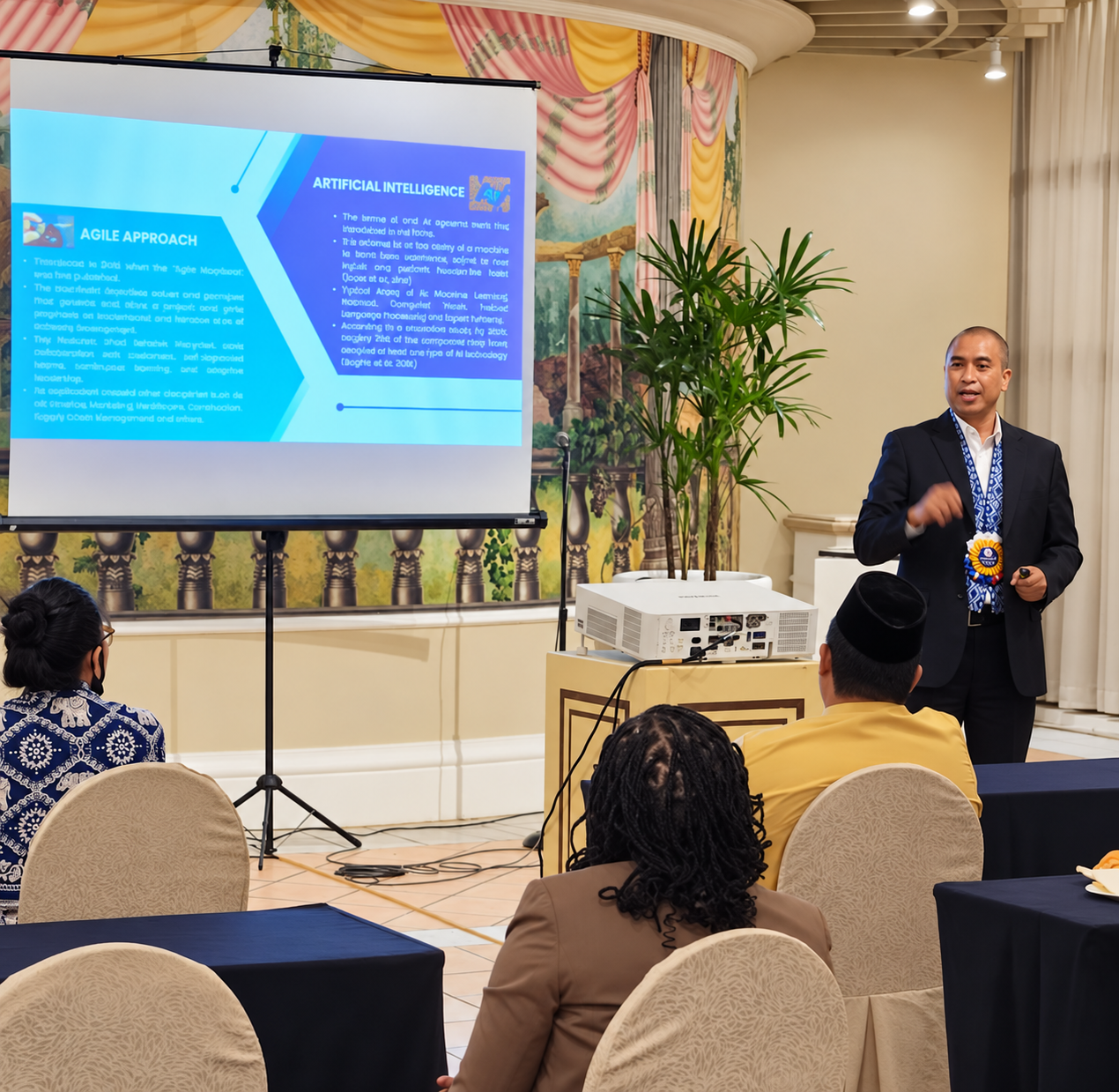
A facilitator leading  workshop

Public training schedule

Your next opportunityto learn and apply.

Select a program to view the course details, then register or request more information.

  • Lean Six Sigma Black Belt

    Lead high-impact improvement projects. Deliver measurable results.

    Next: Oct 27, 2026 – Nov 25, 2026Online
    Request Details
  • Lean Six Sigma Yellow Belt

    Foundations for project teams

    Next: Nov 3, 2026 – Nov 9, 2026Online
    Request Details
  • Lean Six Sigma Green Belt

    Lead practical improvements that deliver measurable results.

    Next: Nov 12, 2026 – Nov 27, 2026Online
    Request Details
  • Lean Six Sigma Master Black Belt

    Lead enterprise transformation. Build the capability that sustains it.

    Dec 2, 2026 – Feb 5, 2027Online
    Request Details

Public training · Program details

Lean Six Sigma Black Belt

Practical learning for measurable improvement.

Description

Strengthen advanced analytical and project-leadership skills for complex, cross-functional improvement work, supported by application and coaching.

Course outline

  • Advanced DMAIC and Lean
  • Advanced MSA and capability
  • Inferential statistics and regression
  • DOE and optimization
  • Design thinking and innovation
  • Financial benefits
  • Change management
  • Coaching project teams
  • Sustainment

Objectives

  • Scope complex improvement projects and align stakeholders.
  • Select suitable advanced analytical and experimental methods.
  • Lead implementation, coach project teams, and sustain business results.

Target Audience

Experienced Green Belts, continuous improvement leaders, quality managers, and transformation practitioners.

Schedule
Oct 27, 2026 – Nov 25, 2026
10 Days ( Oct 27, 28, Nov 3, 4, 10, 11, 17, 18, 24, 25)
Venue
Zoom
Location or access details will accompany the schedule.
Training delivery
Online
10 Days
Cost
Php 84,000.00
(VAT Exclusive)

Public training · Program details

Lean Six Sigma Yellow Belt

Foundations for project teams

Description

A practical introduction to Lean Six Sigma that gives employees a common language for improvement. Participants learn how customer needs, process flow, waste, variation, and basic problem-solving tools connect—so they can identify opportunities, support project teams, and improve their own day-to-day work.

Course outline

  • Lean Six Sigma fundamentals
  • DMAIC overview
  • Voice of Customer and CTQ
  • Process mapping and waste identification
  • Basic data collection
  • 5 Whys, fishbone, FMEA, 5S and control basics

Target Audience

Frontline employees, analysts, specialists, supervisors, team members, and support staff who participate in improvement work. No prior Lean Six Sigma experience required.

Schedule
Nov 3, 2026 – Nov 9, 2026
2 Days
Venue
Zoom
Training delivery
Online
2 Mondays
Cost
Free (Scholarship - 2 per company)

Public training · Program details

Lean Six Sigma Green Belt

Lead practical improvements that deliver measurable results.

Description

A practitioner-focused certification program for professionals who will lead structured improvement projects. Participants learn to define the business problem, analyze process data, validate root causes, implement practical solutions, and establish controls that deliver measurable gains in quality, speed, cost, and customer experience.

Course outline

  • DMAIC project execution
  • VOC, CTQ and project charter
  • Process and value-stream mapping
  • MSA and capability
  • Root-cause analysis
  • Hypothesis testing, regression and DOE
  • Lean solution design
  • Control plans and SPC

Target Audience

Supervisors, team leaders, managers, process engineers, quality professionals, analysts, project managers, and operational-excellence practitioners leading improvement projects.

Schedule
Nov 12, 2026 – Nov 27, 2026
5 Days (November 12, 13, 19, 20, and 27)
Venue
Zoom
Training delivery
Online
5 Days (Thursday and Friday)
Cost
Php 36,500
(VAT exclusive)

Public training · Program details

Lean Six Sigma Master Black Belt

Lead enterprise transformation. Build the capability that sustains it.

Description

A strategic development program for experienced Black Belts who will build and lead an organization-wide improvement capability. Participants strengthen advanced analytical, coaching, deployment, and portfolio-management skills to develop Belts, govern strategic projects, integrate improvement with business priorities, and embed a lasting culture of operational excellence.

Course outline

  • Advanced statistics and experimentation
  • Program and portfolio leadership
  • Business and financial analysis
  • DFSS and innovation
  • Bayesian thinking and decision making
  • Advanced Probabilistic Theories
  • Montecarlo simulation
  • Theory of constraints
  • Coaching and mentoring
  • Enterprise deployment design
  • Change leadership
  • Advanced problem solving

Target Audience

Experienced Lean Six Sigma Black Belts, operational-excellence leaders, transformation heads, senior consultants, and executives responsible for enterprise improvement capability.

Schedule
Dec 2, 2026 – Feb 5, 2027
20 Half-Days (Dec 2, 3, 4, 9, 10, 11, 17, 18, Jan 7, 8, 14, 15, 21, 22, 28, 29, Feb. 4, 5)
Venue
Zoom
Training delivery
Online
Cost
Local Participants: Php 125,000.00 ; International Participants: USD 2,400.00
(Vat Exclusive)

Public training · Program details

Lean Six Sigma Yellow Belt

Foundations for project teams

Description

A practical introduction to Lean Six Sigma that gives employees a common language for improvement. Participants learn how customer needs, process flow, waste, variation, and basic problem-solving tools connect—so they can identify opportunities, support project teams, and improve their own day-to-day work.

Course outline

  • Lean Six Sigma fundamentals
  • DMAIC overview
  • Voice of Customer and CTQ
  • Process mapping and waste identification
  • Basic data collection
  • 5 Whys, fishbone, FMEA, 5S and control basics

Target Audience

Frontline employees, analysts, specialists, supervisors, team members, and support staff who participate in improvement work. No prior Lean Six Sigma experience required.

Schedule
Jan 18, 2027 – Jan 25, 2027
2 Days
Venue
Zoom
Training delivery
Online
2 Mondays
Cost
Free (Scholarship - 2 per company)

Public training · Program details

Lean Six Sigma Green Belt

Lead practical improvements that deliver measurable results.

Description

A practitioner-focused certification program for professionals who will lead structured improvement projects. Participants learn to define the business problem, analyze process data, validate root causes, implement practical solutions, and establish controls that deliver measurable gains in quality, speed, cost, and customer experience.

Course outline

  • DMAIC project execution
  • VOC, CTQ and project charter
  • Process and value-stream mapping
  • MSA and capability
  • Root-cause analysis
  • Hypothesis testing, regression and DOE
  • Lean solution design
  • Control plans and SPC

Target Audience

Supervisors, team leaders, managers, process engineers, quality professionals, analysts, project managers, and operational-excellence practitioners leading improvement projects.

Schedule
Feb 11, 2027 – Feb 26, 2027
5 Days (11 Feb, 12 Feb, 18 Feb, 19 Feb, 26 Feb)
Venue
Zoom
Training delivery
Online
5 Days (Thursday and Friday)
Cost
Php 36,500
(VAT exclusive)

Public training · Program details

Lean Six Sigma Yellow Belt

Foundations for project teams

Description

A practical introduction to Lean Six Sigma that gives employees a common language for improvement. Participants learn how customer needs, process flow, waste, variation, and basic problem-solving tools connect—so they can identify opportunities, support project teams, and improve their own day-to-day work.

Course outline

  • Lean Six Sigma fundamentals
  • DMAIC overview
  • Voice of Customer and CTQ
  • Process mapping and waste identification
  • Basic data collection
  • 5 Whys, fishbone, FMEA, 5S and control basics

Target Audience

Frontline employees, analysts, specialists, supervisors, team members, and support staff who participate in improvement work. No prior Lean Six Sigma experience required.

Schedule
Mar 1, 2027 – Mar 8, 2027
2 Days
Venue
Zoom
Training delivery
Online
2 Mondays
Cost
Free (Scholarship - 2 per company)

Public training · Program details

Lean Six Sigma Black Belt

Practical learning for measurable improvement.

Description

Strengthen advanced analytical and project-leadership skills for complex, cross-functional improvement work, supported by application and coaching.

Course outline

  • Advanced DMAIC and Lean
  • Advanced MSA and capability
  • Inferential statistics and regression
  • DOE and optimization
  • Design thinking and innovation
  • Financial benefits
  • Change management
  • Coaching project teams
  • Sustainment

Objectives

  • Scope complex improvement projects and align stakeholders.
  • Select suitable advanced analytical and experimental methods.
  • Lead implementation, coach project teams, and sustain business results.

Target Audience

Experienced Green Belts, continuous improvement leaders, quality managers, and transformation practitioners.

Schedule
Apr 15, 2027 – May 14, 2027
10 Days ( 15 Apr, 16 Apr, 22 Apr, 23 Apr, 29 Apr, 30 Apr, 6 May, 7 May, 13 May, 14 May)
Venue
Zoom
Location or access details will accompany the schedule.
Training delivery
Online
10 Days
Cost
Php 84,000.00
(VAT Exclusive)

Public training · Program details

Lean Six Sigma Yellow Belt

Foundations for project teams

Description

A practical introduction to Lean Six Sigma that gives employees a common language for improvement. Participants learn how customer needs, process flow, waste, variation, and basic problem-solving tools connect—so they can identify opportunities, support project teams, and improve their own day-to-day work.

Course outline

  • Lean Six Sigma fundamentals
  • DMAIC overview
  • Voice of Customer and CTQ
  • Process mapping and waste identification
  • Basic data collection
  • 5 Whys, fishbone, FMEA, 5S and control basics

Target Audience

Frontline employees, analysts, specialists, supervisors, team members, and support staff who participate in improvement work. No prior Lean Six Sigma experience required.

Schedule
May 24, 2027 – May 31, 2027
2 Days
Venue
Zoom
Training delivery
Online
2 Mondays
Cost
Free (Scholarship - 2 per company)

Public training · Program details

Lean Six Sigma Yellow Belt

Foundations for project teams

Description

A practical introduction to Lean Six Sigma that gives employees a common language for improvement. Participants learn how customer needs, process flow, waste, variation, and basic problem-solving tools connect—so they can identify opportunities, support project teams, and improve their own day-to-day work.

Course outline

  • Lean Six Sigma fundamentals
  • DMAIC overview
  • Voice of Customer and CTQ
  • Process mapping and waste identification
  • Basic data collection
  • 5 Whys, fishbone, FMEA, 5S and control basics

Target Audience

Frontline employees, analysts, specialists, supervisors, team members, and support staff who participate in improvement work. No prior Lean Six Sigma experience required.

Schedule
Jul 12, 2027 – Jul 19, 2027
2 Days
Venue
Zoom
Training delivery
Online
2 Mondays
Cost
Free (Scholarship - 2 per company)

Public training · Program details

Lean Six Sigma Black Belt

Practical learning for measurable improvement.

Description

Strengthen advanced analytical and project-leadership skills for complex, cross-functional improvement work, supported by application and coaching.

Course outline

  • Advanced DMAIC and Lean
  • Advanced MSA and capability
  • Inferential statistics and regression
  • DOE and optimization
  • Design thinking and innovation
  • Financial benefits
  • Change management
  • Coaching project teams
  • Sustainment

Objectives

  • Scope complex improvement projects and align stakeholders.
  • Select suitable advanced analytical and experimental methods.
  • Lead implementation, coach project teams, and sustain business results.

Target Audience

Experienced Green Belts, continuous improvement leaders, quality managers, and transformation practitioners.

Schedule
Aug 5, 2027 – Sep 3, 2027
10 Days ( 5 Aug, 6 Aug, 12 Aug, 13 Aug, 19 Aug, 20 Aug, 26 Aug, 27 Aug, 2 Sept, 3 Sept)
Venue
Zoom
Location or access details will accompany the schedule.
Training delivery
Online
10 Days
Cost
Php 84,000.00
(VAT Exclusive)

Public training · Program details

Lean Six Sigma Yellow Belt

Foundations for project teams

Description

A practical introduction to Lean Six Sigma that gives employees a common language for improvement. Participants learn how customer needs, process flow, waste, variation, and basic problem-solving tools connect—so they can identify opportunities, support project teams, and improve their own day-to-day work.

Course outline

  • Lean Six Sigma fundamentals
  • DMAIC overview
  • Voice of Customer and CTQ
  • Process mapping and waste identification
  • Basic data collection
  • 5 Whys, fishbone, FMEA, 5S and control basics

Target Audience

Frontline employees, analysts, specialists, supervisors, team members, and support staff who participate in improvement work. No prior Lean Six Sigma experience required.

Schedule
Sep 13, 2027 – Sep 20, 2027
2 Days
Venue
Zoom
Training delivery
Online
2 Mondays
Cost
Free (Scholarship - 2 per company)

Public training · Program details

Lean Six Sigma Green Belt

Lead practical improvements that deliver measurable results.

Description

A practitioner-focused certification program for professionals who will lead structured improvement projects. Participants learn to define the business problem, analyze process data, validate root causes, implement practical solutions, and establish controls that deliver measurable gains in quality, speed, cost, and customer experience.

Course outline

  • DMAIC project execution
  • VOC, CTQ and project charter
  • Process and value-stream mapping
  • MSA and capability
  • Root-cause analysis
  • Hypothesis testing, regression and DOE
  • Lean solution design
  • Control plans and SPC

Target Audience

Supervisors, team leaders, managers, process engineers, quality professionals, analysts, project managers, and operational-excellence practitioners leading improvement projects.

Schedule
Oct 14, 2027 – Oct 28, 2027
5 Days (14 Oct, 15 Oct, 21 Oct, 22 Oct, 28 Oct)
Venue
TBD
Training delivery
Face to Face
5 Days (Thursday, and Friday)
Cost
Php 36,500
(VAT exclusive)

Public training · Program details

Lean Six Sigma Yellow Belt

Foundations for project teams

Description

A practical introduction to Lean Six Sigma that gives employees a common language for improvement. Participants learn how customer needs, process flow, waste, variation, and basic problem-solving tools connect—so they can identify opportunities, support project teams, and improve their own day-to-day work.

Course outline

  • Lean Six Sigma fundamentals
  • DMAIC overview
  • Voice of Customer and CTQ
  • Process mapping and waste identification
  • Basic data collection
  • 5 Whys, fishbone, FMEA, 5S and control basics

Target Audience

Frontline employees, analysts, specialists, supervisors, team members, and support staff who participate in improvement work. No prior Lean Six Sigma experience required.

Schedule
Nov 15, 2027 – Nov 22, 2027
2 Days
Venue
Zoom
Training delivery
Online
2 Mondays
Cost
Free (Scholarship - 2 per company)

Programs & learning pathways

Match the learning to the work you need to do.

  • 01

    Lean Six Sigma

    Develop certified practitioners who can use DMAIC, Lean, and design-focused methods to solve complex business problems, reduce waste, and deliver measurable customer and financial value.

    Explore topics
  • 02

    Quality Improvement

    Strengthen quality at the source by identifying defects, controlling variation, analyzing root causes, and applying practical improvement tools that make results more consistent and sustainable.

    Explore topics
  • 03

    Quality Management System

    Build a robust, audit-ready quality management system with clear process ownership, documented standards, internal audits, corrective action, and performance reviews aligned to business goals.

    Explore topics
  • 04

    Productivity Improvement

    Improve end-to-end flow, capacity, and resource utilization by simplifying work, removing non-value-added activities, balancing workloads, and redesigning processes for faster execution.

    Explore topics
  • 05

    Data Analytics

    Turn operational data into actionable insight through practical analytics, visual dashboards, statistical analysis, and performance measures that support faster, evidence-based decisions.

    Explore topics
  • 06

    Leadership

    Equip leaders to lead transformation, manage performance, coach teams, and create the discipline, accountability, and problem-solving culture required to sustain improvement.

    Explore topics

Programs & learning pathways

Lean Six Sigma

Develop certified practitioners who can use DMAIC, Lean, and design-focused methods to solve complex business problems, reduce waste, and deliver measurable customer and financial value.

  • Designed for executives and sponsors, this program shows leaders how to turn Lean Six Sigma into a disciplined business system. Participants learn to select high-value opportunities, set clear sponsorship expectations, remove organizational barriers, review benefits, and create the governance needed to sustain an enterprise improvement agenda.

    Outline

    • Lean Six Sigma strategy and value
    • Champion roles and governance
    • Project selection and prioritization
    • Benefits tracking and review cadence
    • Change leadership and sustainment

    Who it’s for

    Executives, business-unit heads, functional leaders, sponsors, and process owners responsible for setting priorities and enabling improvement projects.

  • An advanced certification program for professionals leading complex, cross-functional improvement initiatives. It combines rigorous Lean Six Sigma analytics with financial benefit realization, change leadership, and project governance—equipping Black Belts to solve high-impact business problems and guide teams from diagnosis through sustained results.

    Outline

    • Advanced DMAIC and Lean
    • advanced MSA and capability
    • inferential statistics and regression
    • DOE and optimization
    • design thinking and innovation
    • financial benefits
    • change management
    • coaching project teams
    • sustainment

    Who it’s for

    Experienced Green Belts, senior process engineers, quality and transformation leaders, consultants, project managers, and candidates for continuous-improvement leadership roles.

  • A practitioner-focused certification program for professionals who will lead structured improvement projects. Participants learn to define the business problem, analyze process data, validate root causes, implement practical solutions, and establish controls that deliver measurable gains in quality, speed, cost, and customer experience.

    Outline

    • DMAIC project execution
    • VOC, CTQ and project charter
    • process and value-stream mapping
    • MSA and capability
    • root-cause analysis
    • hypothesis testing, regression and DOE
    • Lean solution design
    • control plans and SPC

    Who it’s for

    Supervisors, team leaders, managers, process engineers, quality professionals, analysts, project managers, and operational-excellence practitioners leading improvement projects.

  • A practical introduction to Lean Six Sigma that gives employees a common language for improvement. Participants learn how customer needs, process flow, waste, variation, and basic problem-solving tools connect—so they can identify opportunities, support project teams, and improve their own day-to-day work.

    Outline

    • Lean Six Sigma fundamentals
    • DMAIC overview
    • Voice of Customer and CTQ
    • Process mapping and waste identification
    • Basic data collection
    • 5 Whys, fishbone, FMEA, 5S and control basics

    Who it’s for

    Frontline employees, analysts, specialists, supervisors, team members, and support staff who participate in improvement work. No prior Lean Six Sigma experience required.

  • A strategic development program for experienced Black Belts who will build and lead an organization-wide improvement capability. Participants strengthen advanced analytical, coaching, deployment, and portfolio-management skills to develop Belts, govern strategic projects, integrate improvement with business priorities, and embed a lasting culture of operational excellence.

    Outline

    • Advanced statistics and experimentation
    • program and portfolio leadership
    • business and financial analysis
    • DFSS and innovation
    • Bayesian thinking and decision making
    • Advanced Probabilistic Theories
    • Montecarlo simulation
    • Theory of constraints
    • coaching and mentoring
    • enterprise deployment design
    • change leadership
    • advanced problem solving

    Who it’s for

    Experienced Lean Six Sigma Black Belts, operational-excellence leaders, transformation heads, senior consultants, and executives responsible for enterprise improvement capability.

Programs can be tailored for your team. Select a topic to request its detailed outline and a quotation.

Programs & learning pathways

Quality Improvement

Strengthen quality at the source by identifying defects, controlling variation, analyzing root causes, and applying practical improvement tools that make results more consistent and sustainable.

  • A hands-on program that enables teams to use statistical process control as an early-warning system for process performance. Participants learn to distinguish normal variation from signals that require action, select and interpret the right control charts, and create reaction plans that prevent defects, instability, and customer-impacting issues.

    Outline

    • Variation and process behavior
    • rational subgrouping
    • control-chart selection
    • variable and attribute charts
    • chart interpretation
    • reaction plans
    • capability linkages
    • practical SPC implementation

    Who it’s for

    Quality engineers; process owners

  • A practical course for building confidence in the data used for decisions, capability studies, and improvement projects. Participants learn how to assess accuracy, precision, repeatability, reproducibility, bias, stability, and attribute agreement—then use the findings to improve measurement methods before acting on unreliable data.

    Outline

    • Measurement-system concepts
    • accuracy, precision, bias, linearity and stability
    • variable and attribute Gage R&R
    • study planning
    • interpreting results
    • improvement actions and controls

    Who it’s for

    Quality; laboratory; metrology teams

  • A data-driven course that helps teams discover which process inputs truly drive performance. Participants learn to plan efficient experiments, evaluate factors and interactions, interpret results with confidence, and use confirmation runs to convert findings into optimized settings, stronger designs, and more reliable operational outcomes.

    Outline

    • DOE principles
    • factors, responses and interactions
    • randomization, replication and blocking
    • single-factor and factorial designs
    • ANOVA and model interpretation
    • confirmation runs
    • implementation planning

    Who it’s for

    Process engineers; R&D teams

  • A highly practical introduction to the seven foundational quality tools used to make problems visible and actionable. Through applied exercises, participants learn to collect and organize evidence, identify the few issues that matter most, explore likely causes, visualize process behavior, and support fact-based corrective action.

    Outline

    • Check sheets
    • Pareto charts
    • cause-and-effect diagrams
    • histograms
    • scatter diagrams
    • control charts
    • flowcharts and stratification
    • practical problem-solving exercise

    Who it’s for

    Frontline teams, supervisors, team leaders, quality inspectors, analysts, and new improvement-team members.

  • A structured method for translating the voice of the customer into clear, measurable product, service, and process requirements. Participants learn to use the House of Quality to align cross-functional decisions, prioritize trade-offs, benchmark alternatives, and ensure that design choices consistently deliver what customers value most.

    Outline

    • Voice of Customer
    • customer-requirement analysis
    • Critical-to-Quality translation
    • House of Quality
    • benchmarking
    • prioritization
    • deployment to design and process requirements

    Who it’s for

    Product and service designers, marketing, customer-experience teams, engineers, process owners, quality professionals, and cross-functional innovation teams.

  • A practical robust-design course for reducing variation and improving performance when conditions cannot be perfectly controlled. Participants learn to use Taguchi concepts, orthogonal arrays, and signal-to-noise analysis to identify resilient operating settings, shorten experimentation cycles, and improve quality at lower cost.

    Outline

    • Robust-design principles
    • control and noise factors
    • orthogonal arrays
    • signal-to-noise ratios
    • experiment planning
    • analysis and confirmation
    • practical Taguchi applications

    Who it’s for

    Engineers, quality specialists, product and process designers, R&D teams, and experienced Green Belts or Black Belts.

  • A service-focused problem-solving program for teams dealing with recurring delays, errors, customer complaints, rework, and productivity gaps. Participants learn a disciplined approach to define the problem, gather the right evidence, uncover true causes, prioritize countermeasures, verify results, and prevent recurrence through practical controls.

    Outline

    • Problem definition and data
    • service-process mapping
    • Pareto analysis
    • 5 Whys and fishbone
    • FMEA
    • solution prioritization
    • action plans
    • validation and control
    • knowledge capture

    Who it’s for

    Service-delivery leaders, supervisors, analysts, customer-experience teams, shared-services staff, support functions, and process owners.

Programs can be tailored for your team. Select a topic to request its detailed outline and a quotation.

Programs & learning pathways

Quality Management System

Build a robust, audit-ready quality management system with clear process ownership, documented standards, internal audits, corrective action, and performance reviews aligned to business goals.

  • A comprehensive program for teams responsible for building, maintaining, or improving a quality management system. Participants gain a practical understanding of ISO 9001 requirements, the process approach, risk-based thinking, documented information, performance evaluation, and continual improvement—linking compliance with stronger customer confidence and business performance.

    Outline

    • QMS principles and context
    • leadership and planning
    • process approach and risk-based thinking
    • documented information
    • operational control
    • performance evaluation
    • corrective action and continual improvement

    Who it’s for

    Process owners, quality managers, department heads, document-control teams, compliance staff, and personnel involved in ISO 9001 implementation or maintenance.

  • A practical auditor-development program that prepares participants to conduct value-adding internal audits, not merely checklist reviews. Participants learn how to plan audits, gather objective evidence, interview process owners, document findings clearly, report risks and nonconformities, and follow through on corrective actions that strengthen the QMS.

    Outline

    • Audit principles and ISO 19011 approach
    • audit planning
    • checklists and evidence
    • interviewing
    • documenting findings
    • nonconformity classification
    • audit reporting
    • corrective-action follow-up

    Who it’s for

    Internal auditors, quality and compliance professionals, process owners, managers, and employees designated to participate in ISO 9001 internal audits.

Programs can be tailored for your team. Select a topic to request its detailed outline and a quotation.

Programs & learning pathways

Productivity Improvement

Improve end-to-end flow, capacity, and resource utilization by simplifying work, removing non-value-added activities, balancing workloads, and redesigning processes for faster execution.

  • A capability-building program for equipment-intensive operations seeking higher reliability, stronger operator ownership, and better asset productivity. Participants learn the TPM pillars, loss analysis, autonomous and planned maintenance, OEE improvement, and focused-improvement routines needed to reduce downtime, defects, and maintenance-related waste.

    Outline

    • TPM foundations
    • autonomous maintenance
    • planned maintenance
    • quality maintenance
    • OEE
    • loss analysis
    • focused improvement
    • TPM roles and implementation roadmap

    Who it’s for

    Production, maintenance, engineering, reliability, quality, and operational-excellence personnel in equipment-intensive operations.

  • A hands-on course that makes the end-to-end flow of work visible, from customer demand through delivery. Participants learn to map the current state, quantify lead time and delay, distinguish value-added from non-value-added activity, and design a practical future state with prioritized actions that improve flow, responsiveness, and capacity.

    Outline

    • VSM concepts and symbols
    • customer demand and takt
    • current-state mapping
    • process data and lead-time analysis
    • waste identification
    • future-state design
    • prioritization and implementation roadmap

    Who it’s for

    Operations, supply chain, logistics, manufacturing, service-delivery, quality, engineering, continuous-improvement, and transformation teams.

  • A practical Lean program tailored to service, administrative, and customer-facing processes. Participants learn to map end-to-end work, expose delays and non-value-added activity, balance workloads, improve flow, standardize critical tasks, and design improvements that shorten turnaround time while improving capacity and customer experience.

    Outline

    • Lean principles for services
    • customer value and demand
    • service-process mapping
    • eight wastes
    • workload balancing
    • visual management
    • standard work
    • pull and flow
    • improvement action planning

    Who it’s for

    Service operations, shared services, BPO, finance, HR, customer support, healthcare, logistics, government, and administrative teams.

  • A leadership program for managers who need to make continuous improvement part of everyday operations. Participants learn leader standard work, visual management, daily huddles, Gemba coaching, tiered accountability, and problem-solving routines that keep teams focused on performance, remove barriers quickly, and sustain gains over time.

    Outline

    • Leader standard work
    • visual performance management
    • daily huddles and tiered reviews
    • coaching for problem solving
    • Gemba leadership
    • recognition
    • change and sustainment

    Who it’s for

    Managers, supervisors, team leads, process owners, operational-excellence leaders, and executives leading performance-improvement initiatives.

Programs can be tailored for your team. Select a topic to request its detailed outline and a quotation.

Programs & learning pathways

Data Analytics

Turn operational data into actionable insight through practical analytics, visual dashboards, statistical analysis, and performance measures that support faster, evidence-based decisions.

  • A practical introduction for professionals who need to turn operational and business data into useful insight. Participants learn how to frame business questions, prepare and interpret data, select meaningful measures, recognize common data-quality issues, and communicate findings through clear, decision-focused stories.

    Outline

    • Analytics lifecycle
    • business questions and KPIs
    • data types and quality
    • descriptive analysis
    • basic visualizations
    • interpreting trends and variation
    • data storytelling
    • hands-on business case

    Who it’s for

    Managers, supervisors, analysts, process owners, project teams, and professionals who use data to improve performance or support decisions.

  • A hands-on program that helps participants move beyond basic spreadsheets to build reliable analyses and management-ready reports. Participants learn to clean, structure, summarize, visualize, and automate recurring analysis in Excel so they can spend less time preparing data and more time acting on insight.

    Outline

    • Data cleaning and structuring
    • formulas and functions
    • lookups and logical analysis
    • pivot tables
    • charts and dashboards
    • conditional formatting
    • report design
    • automation basics

    Who it’s for

    Analysts, supervisors, finance and operations staff, HR and commercial teams, and professionals who prepare recurring reports or manage operational data.

  • A practical business-intelligence program that enables teams to create interactive dashboards from multiple data sources. Participants learn to prepare data, build a sound data model, develop useful measures, and design clear Power BI reports that help leaders monitor performance and explore what is driving it.

    Outline

    • Power BI environment
    • data import and transformation
    • data modeling
    • DAX measures
    • charts and interactive dashboards
    • drill-down and filters
    • publishing and refresh concepts
    • dashboard design exercise

    Who it’s for

    Business analysts, reporting teams, finance, operations, HR, commercial teams, process owners, and managers responsible for performance dashboards.

  • A decision-focused course for professionals who need to draw sound conclusions from data and present them clearly. Participants learn to summarize data, test relationships, interpret variation and statistical evidence, and choose visualizations that reveal patterns without overstating what the data can prove.

    Outline

    • Descriptive statistics
    • distributions and variation
    • sampling and confidence intervals
    • correlation and regression basics
    • hypothesis testing
    • chart selection
    • visual integrity
    • interpretation and presentation of findings

    Who it’s for

    Analysts, quality and process professionals, researchers, planners, finance teams, and Green Belt practitioners who work with business or operational data.

  • A practical introduction to using historical data to anticipate demand, risk, customer behavior, and process outcomes. Participants learn how predictive models work, how to interpret model performance and uncertainty, and how to convert forecasts into responsible, action-oriented decisions.

    Outline

    • Predictive-analytics use cases
    • data preparation
    • regression and classification concepts
    • forecasting basics
    • model accuracy and validation
    • risk and bias considerations
    • scenario analysis
    • translating predictions into actions

    Who it’s for

    Business analysts, planners, operations and commercial leaders, risk teams, data professionals, and managers who need to use forecasts in decision-making.

  • A business-oriented program on using AI tools to accelerate analysis, reporting, and routine decision support while maintaining sound human review. Participants learn where automation is appropriate, how to structure prompts and workflows, validate AI-generated outputs, and identify practical opportunities from simple automation to AI-assisted insight.

    Outline

    • AI and analytics fundamentals
    • automation opportunity assessment
    • AI-assisted data preparation and reporting
    • prompt design
    • workflow integration
    • validation and governance
    • privacy and risk
    • practical use cases

    Who it’s for

    Managers, analysts, process owners, transformation teams, shared-services staff, and professionals exploring responsible AI and automation opportunities.

Programs can be tailored for your team. Select a topic to request its detailed outline and a quotation.

Programs & learning pathways

Leadership

Equip leaders to lead transformation, manage performance, coach teams, and create the discipline, accountability, and problem-solving culture required to sustain improvement.

  • A practical leadership program that equips new and emerging leaders to set direction, build trust, communicate expectations, and create accountability. Participants develop the day-to-day habits needed to lead people well, make sound decisions, and connect team effort to business priorities.

    Outline

    • Leadership roles and mindset
    • self-awareness
    • communication
    • goal setting and delegation
    • accountability
    • decision-making
    • trust and engagement
    • personal leadership action plan

    Who it’s for

    New managers, supervisors, team leaders, technical specialists moving into leadership roles, and high-potential employees.

  • A practical program for leaders who need to build teams that collaborate well, deliver consistently, and respond productively to changing demands. Participants learn how to clarify roles, create shared goals, manage team dynamics, run effective routines, and address issues before they affect performance.

    Outline

    • Team purpose and roles
    • goal alignment
    • psychological safety and trust
    • team norms
    • meeting and huddle routines
    • conflict management
    • feedback
    • performance review and team action planning

    Who it’s for

    Supervisors, managers, team leaders, project leads, and leaders responsible for cross-functional or operational teams.

  • A skills-based program that helps leaders improve performance through purposeful coaching rather than simply giving instructions. Participants learn how to ask effective questions, give timely feedback, diagnose performance gaps, develop capability, and coach teams through structured problem solving.

    Outline

    • Coaching mindset
    • listening and questioning
    • feedback conversations
    • performance-gap diagnosis
    • GROW and practical coaching models
    • coaching problem solving
    • difficult conversations
    • practice simulations

    Who it’s for

    Managers, supervisors, team leads, project leaders, operational-excellence practitioners, and internal coaches.

  • A practical program for leaders responsible for moving people through process, technology, or organizational change. Participants learn how to create a compelling case for change, assess stakeholder impact, manage resistance, communicate clearly, reinforce new ways of working, and sustain adoption beyond implementation.

    Outline

    • Case for change
    • stakeholder mapping
    • change-impact assessment
    • communication planning
    • resistance and engagement
    • sponsor and leader roles
    • adoption measures
    • sustainment planning

    Who it’s for

    Executives, managers, transformation leaders, project sponsors, HR and communications teams, and leaders of change initiatives.

  • A leadership program that helps managers translate organizational direction into focused priorities, actionable plans, and disciplined execution. Participants learn to scan the business environment, make trade-offs, define meaningful measures, align work across teams, and maintain momentum through regular performance review.

    Outline

    • Strategic thinking
    • customer and market perspective
    • priority setting
    • trade-off decisions
    • objectives and measures
    • execution roadmaps
    • performance cadence
    • risk review and course correction

    Who it’s for

    Managers, department heads, business-unit leaders, transformation leaders, project sponsors, and high-potential leaders preparing for broader roles.

  • A practical program for professionals who must lead initiatives across functions without relying solely on formal authority. Participants learn to define outcomes, align stakeholders, govern decisions, manage risks and dependencies, communicate progress, and keep projects moving toward committed business benefits.

    Outline

    • Project leadership roles
    • charter and outcomes
    • stakeholder analysis
    • governance and decision rights
    • work planning
    • risk and dependency management
    • status communication
    • benefits tracking
    • closeout and lessons learned

    Who it’s for

    Project managers, team leads, process owners, transformation practitioners, functional managers, and professionals leading cross-functional initiatives.

  • A focused program that helps leaders communicate complex ideas with clarity, confidence, and business relevance. Participants learn to structure messages for senior audiences, use evidence persuasively, present recommendations, handle questions, and influence decisions while building constructive working relationships.

    Outline

    • Audience analysis
    • executive message structure
    • concise writing
    • data-backed recommendations
    • presentation and facilitation skills
    • influencing without authority
    • handling questions and objections
    • practice sessions

    Who it’s for

    Managers, senior specialists, project leaders, consultants, business partners, and high-potential professionals who present to senior stakeholders.

Programs can be tailored for your team. Select a topic to request its detailed outline and a quotation.

Certification pathway

Training develops knowledge.Certification recognizescompetence.

Confirm the assessment and project requirements for your selected program before enrolling.

  • 01

    Choose the level

    Identify the program that matches your experience and goals.

  • 02

    Learn and practice

    Build skills through the program’s lessons and exercises.

  • 03

    Complete requirements

    Meet the assessment and project criteria applicable to the program.

  • 04

    Verify the credential

    Use the certified roster to find and verify published certification details.

Course participation and certification are distinct. Requirements depend on the selected belt program.

Certified professional roster

Verify a Lean Six Sigmacredential.

Search by professional name or certificate ID.

Search certified roster

In-house training & coaching

Build the capabilityyour organization needs.

Shape a program around your team’s work, skill levels, and live improvement priorities.

  • Relevant case exercises and application
  • Project coaching and review
  • Learning linked to operating results
Discuss an in-house program
A coach pointing out performance data on a monitor to a colleague at his workstation

Ready to develop your team?

Ask about public programs, certification requirements, or in-house delivery.

Request course details